from 0 review
14 Days 13 Nights
Daily Tour
1 person
Chinese, English
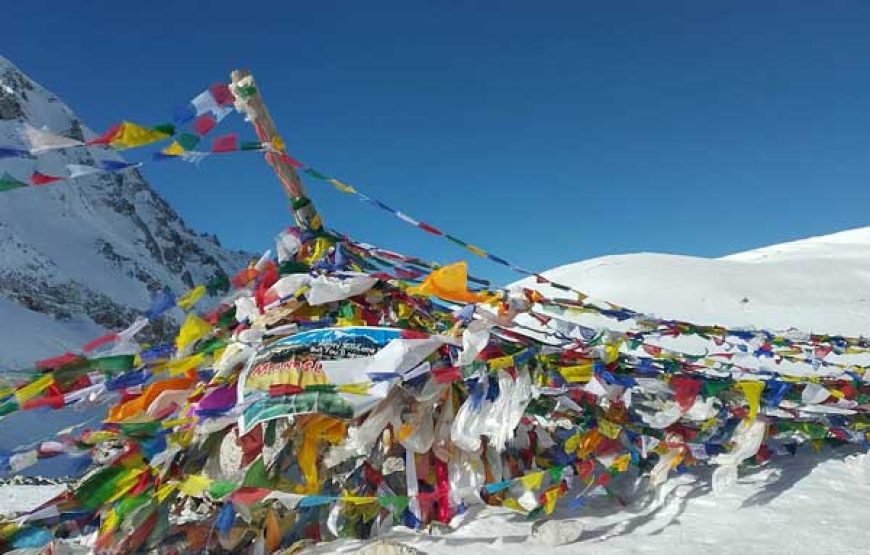
Trekkers can experience the unspoiled landscapes of Nepal through the Manaslu Circuit Trek which leads them through remote areas. The 14-day trek combines natural landscapes with cultural experiences and exciting adventures. The trek begins in river valleys before ascending through forests and traditional Gurung and Tibetan settlements and into mountainous terrain. The trek reaches its peak when trekkers cross the demanding Larkya La Pass at 5,160 meters which provides spectacular views of Manaslu (8,163m) together with surrounding peaks. The trek allows visitors to visit ancient monasteries and experience local hospitality while observing unspoiled Himalayan cultural traditions.
The trek provides an excellent combination of exciting exploration and cultural exploration for its participants. The trail traverses’ multiple ecological regions which allow hikers to observe different plant species and wildlife. The Tibetan-influenced villages of Samagaon, Samdo and Lho display traditional architecture which reveals the mountain-dependent way of life of their residents. The itinerary includes rest days for trekkers to adapt to high elevations which ensures their safety and comfort throughout the entire trip. The Manaslu Circuit route presents a suitable challenge for experienced hikers who want to explore its breathtaking scenery.
Aau Nepal Expo provides complete expert guidance and well-organized support services for the entire Manaslu Circuit Trek. The company takes care of all aspects of the trek by booking comfortable accommodations and preparing quality meals while assigning experienced guides and porters to ensure a safe and enjoyable experience. The trek becomes both safe and memorable because the company follows strict safety protocols and schedules acclimatization periods and respects local cultural traditions. Aau Nepal Expo provides authentic Himalayan adventures to both experienced trekkers and first-time Himalayan explorers who want to discover the Manaslu region.
Best Time to do in Manaslu Circuit Trek
The Manaslu Circuit Trek should be done during the spring months from March to May and autumn months from September to November. The best weather conditions with clear skies and moderate temperatures and minimal rainfall exist during these periods which makes trekking safer and more enjoyable. During spring the landscape transforms into a colourful display because rhododendrons and other plants start blooming on the trail. During autumn the weather remains stable while the crisp air combines with snow-capped peaks to create ideal conditions for photography and sightseeing.
During summer months (June to August) Nepal experiences monsoon season which brings dangerous conditions such as heavy rainfall and slippery trails and increased landslide risks that make trekking both unsafe and challenging. Some hikers select this time for their trek because the trails are less crowded and the vegetation appears lush but they need to exercise extra caution. During winter months from December to February the region becomes cold while snowfall occurs occasionally near high passes which blocks trails and creates difficult trekking conditions. The winter season provides experienced trekkers with clear skies and breathtaking mountain vistas when they are properly equipped.
Aau Nepal Expo recommends planning the Manaslu Circuit Trek during spring or autumn for a safe and comfortable journey that will deliver the best experience of the Manaslu region. Their expert team provides proper acclimatization and support to ensure trekkers can experience the best of Manaslu regardless of the chosen season.
Comfort and Safety during Manaslu Circuit Trek
The Manaslu Circuit Trek requires prioritizing comfort and safety to provide a memorable trouble-free experience. The trekking accommodations consist of basic but clean teahouses and lodges that provide rooms with warm meals and hot showers and resting areas whenever possible. The planned ascent with scheduled rest days enables proper adaptation to altitude changes which minimizes the chances of altitude sickness. The porters together with guides handle most of the heavy loads which enables you to experience the trek while keeping your physical effort to a minimum.
The trail remains well maintained but trekkers should expect difficulties from rocky terrain and river crossings and the steep mountain pass at Larkya La which reaches 5,160 meters. Every group receives experienced guides who track both health and weather conditions to make appropriate decisions about rest or detours as needed. The trekking support team maintains safety equipment which includes first aid kits and oxygen cylinders and they receive training for emergency situations. The mobile SIM cards provided by the company allow trekkers to stay connected through remote areas.
Aau Nepal Expo delivers top-level safety and comfort services to all participants on the Manaslu Circuit Trek. The experienced guides at Aau Nepal Expo use their route expertise to lead groups while simultaneously focusing on health by promoting acclimatization and providing essential safety guidance. Aau Nepal Expo provides secure enjoyable and enriching trekking experiences to all travelers through their careful planning of accommodations and logistics in this breathtaking Nepalese region.
Your journey begins early when you depart Kathmandu to travel west along the Prithvi Highway through various natural landscapes and hilltops and rural villages. You move through the Budhi Gandaki River valley while witnessing the traditional Nepalese rural environment. Arrive in Soti Khola which lies on the riverbank before you check into your lodge. You should take time to unwind before embarking on the trek tomorrow.
The trail begins by following the Budhi Gandaki River as it winds through forested areas which include bamboo and rhododendron trees. You must traverse several suspension bridges between agricultural fields and hamlets. The path leads to a smooth surface followed by a mild upward slope. The final destination reaches Machha Khola which offers basic lodging accommodations for the night.
Follow the river path while walking through waterfalls along with fields that use terracing systems. The trail leads upward through dense forests as the elevation rises. At Jagat you must register your Manaslu Restricted Area Permit before continuing your journey. Stay overnight at a teahouse where you can experience the traditional mountain village way of life.
The route maintains a steady climb while offering beautiful valley views. The trail leads through farm terraces while you need to cross additional suspension bridges. The traditional Gurung settlement of Deng provides basic lodging options. Experience the local traditions while you prepare for a gentle climb the following day.
Today's hiking route rises continuously while passing through areas dominated by mixed forest and rhododendron trees. The trail leads you to Lho village which is famous for its Tibetan Buddhist traditions and ancient religious sites. Namrung offers both Tibetan cultural influence and breathtaking mountain vistas as its traditional settlement. Stay overnight in Lho.
A climb through mountainous areas leads to breathtaking views of Manaslu peaks and surrounding mountains. Visit the Lho Monastery, a key spiritual site. Traditional stone houses and prayer flags waving in the mountain air characterize the village. Lho remains your lodging destination for this night.
The day will be brief so you can take rest and let your body adapt to the high altitude. The gentle path leads you through tiny settlements and prayer walls. The largest settlement of Samagaon contains the Pungyen Gompa monastery. You should use this time to discover the area while making necessary arrangements for the upcoming acclimatization day.
At this altitude you will spend a full day resting to help your body adjust. Visits to Manaslu Base Camp or Riban Glacier provide breathtaking views of glaciers together with peaks from a close distance. Your body can adapt better to high elevations when you spend this day which lowers the chances of altitude sickness.
The last settlement before reaching the high pass is reached by trekking a brief distance from Samdo. The village contains a limited number of teahouses which are nestled among majestic mountainous landscapes. You should organize your equipment while resting before the upcoming demanding climb.
Today you trek to the base camp for Larkya La Pass. The path leads upward through rocky terrain which provides spectacular mountain views. The location of Dharmasala functions as a resting area for individuals who will attempt the early high pass crossing. Basic lodges and tents are available for overnight accommodations.
This is the most challenging day. The trek starts early with an intense ascent to reach Larkya La Pass which stands as the highest point on the route at 5,160 meters. Enjoy panoramic views of the Himalayas before descending through rocky and sometimes snowy terrain to Bimtang, an alpine village. Get sufficient rest to recover from this extensive day of walking.
The path leads you to pass through forests as well as rivers before reaching the Marshyangdi valley area. Several villages lie along the path as it descends to lower elevations. A larger settlement of Dharapani with available amenities ends the mountainous part of the trek.
The path follows the Budhi Gandaki River while passing through both fields and settlements before descending to Jagat. The path descends with reduced steepness and simpler walking conditions. You will rest at Jagat for the night as you approach the end of your trek.
Begin your day with breakfast followed by a jeep or bus trip back to Kathmandu. The returning journey to the capital city brings you through different types of landscapes. You will arrive in Kathmandu during the evening hours before checking into your hotel. Your trek ends successfully with a celebration.
A: The best seasons are spring (March to May) and autumn (September to November) due to stable weather, clear skies, and moderate temperatures.
A: It is a moderately challenging trek suitable for trekkers with some prior hiking experience. The highest point is the Larkya La Pass at 5,160 meters.
A: Yes, trekkers require the Manaslu Restricted Area Permit, Annapurna Conservation Area Permit (ACAP), and a TIMS card.
A: Yes, with the SIM card provided by Aau Nepal Expo, you will have mobile connectivity in most villages along the route.
A: Accommodation is in local teahouses and lodges, which offer basic but comfortable rooms, meals, and hot showers where available.
A6: A variety of Nepali and Tibetan meals such as dal bhat, noodles, soups, and momos are available at teahouses.
A: Proper acclimatization days are included in the itinerary, and you should stay hydrated, ascend slowly, and follow your guide’s advice.
A: No, there are no ATMs or card facilities on the trail, so bring enough cash in Nepali Rupees before starting the trek.
A: Groups usually range from solo trekkers with guides to small groups of 6-12 people for a more personalized experience.
A: Yes, travel insurance that covers trekking up to at least 5,500 meters, including emergency evacuation, is mandatory.
A: Good physical fitness and stamina are important as trekking involves 5-7 hours of walking daily with some steep and rugged sections.
A: Yes, Aau Nepal Expo provides trained guides equipped with first aid kits and oxygen cylinders, and has protocols for emergency evacuation if needed.


Leave a review