from 0 review
22 Days 21 Nights
Daily Tour
1 person
Chinese, English

The 22 Days Kanchenjunga Base Camp Trek presents an infrequently traveled Himalayan journey that allows you to explore eastern Nepal’s remote border territories near Sikkim and Tibet. The trek delivers a distinctive Himalayan adventure that guides trekkers through pristine alpine forests and remote villages while showing breathtaking views of Mt. Kanchenjunga (8,586m) ranks as the third-tallest mountain on Earth. The journey starts with Bhadrapur air travel before using Taplejung as a starting point to reach the Kanchenjunga Conservation Area through a series of connected trails. The trek route leads hikers to Ghunsa and Kambachen and Lhonak before they ascend to the magnificent North Base Camp of Pangpema and continue to South Base Camp through Sele La Pass.
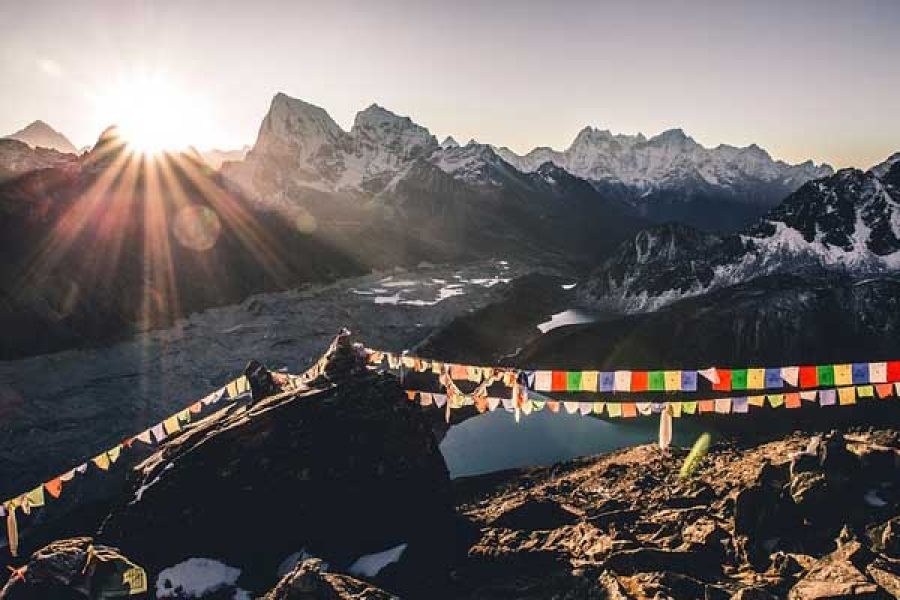
The path leads through multiple environments which include dense cardamom forests and sloping hills and valleys and glacial valleys and Himalayan peaks. The region attracts trekkers with its natural beauty as well as the welcoming nature of local residents who belong to Limbu and Rai and Sherpa communities. The trek includes multiple rest days which help trekkers adapt to high elevations. Trekkers experience the breathtaking views of Jannu, Kabru, and Kanchenjunga while walking by the Kanchenjunga and Yalung glaciers as they traverse the mountain passes Sinion La and Mirgin La. The area remains unspoiled by commercial activities which makes it perfect for people who want peaceful exploration and authentic adventures.
Aau Nepal Expo delivers an expertly arranged Kanchenjunga Base Camp Trek through which they manage every aspect from obtaining permits to transportation services and accommodation and food arrangements. Aau Nepal Expo provides complimentary local SIM cards with data to our trekkers during their expedition and hosts a farewell dinner in Kathmandu after completing their journey. Aau Nepal Expo provides a secure and memorable trekking experience in Nepal’s distant areas by using expert guides combined with their deep local expertise and safety-first approach.
Ideal Time to Do the Kanchenjunga Base Camp Trek – 22 Days
The Kanchenjunga Base Camp Trek reaches its peak during spring (March to May) and autumn (late September to November). The best time to trek Kanchenjunga Base Camp occurs during spring (March to May) and autumn (late September to November) because these periods provide the most stable weather conditions and clear skies and excellent mountain views of the Kanchenjunga range.
The spring season (March–May) brings rhododendron blossoms and verdant forests and pleasant weather to lower elevations. The longer daylight hours create better trekking conditions while providing additional time to appreciate the surrounding views. The photographic conditions during this time are optimal because the clear skies reveal the snow-capped peaks against a brilliant blue sky.
The autumn season (late September to November) is equally popular because of its dry, cool, and stable weather. The mountains emerge in dramatic clarity after the monsoon season clears away dust and haze. The lower regions experience comfortable temperatures yet the higher elevations maintain moderate coldness. The autumn season provides excellent cultural opportunities because Dashain and Tihar festivals take place in villages throughout the trekking route.
Experienced trekkers who prepare correctly can attempt winter (December–February) and monsoon (June–August) but these seasons remain unsuitable for most trekkers because of dangerous snow conditions and slippery trails. Spring and autumn represent the best time for a secure and visually stunning Kanchenjunga trekking adventure.
Comfort and Safety During the Kanchenjunga Base Camp Trek – 22 Days
The Kanchenjunga Base Camp Trek comfort depends on well-planned logistics together with proper acclimatization schedules and the welcoming nature of distant Himalayan villages. The rugged remote terrain of the trek becomes comfortable through the arrangement of clean cozy teahouses or lodges in available locations. The kitchen staff prepares meals using local ingredients while they can accommodate dietary requirements when you make your request. The well-designed itinerary includes scheduled rest days for acclimatization and controlled altitude increase which reduces altitude sickness risks while enabling you to appreciate the region’s beauty at a leisurely pace.
The trekking guides who accompany you possess professional training and extensive experience in high-altitude trekking and first aid. The guides maintain your health status during the entire trip while using their first aid training to respond to emergencies. The company provides local SIM cards and satellite phones which serve as communication devices for emergency contacts or assistance in remote areas. The porters transport your essential luggage so you can walk with ease and convenience.
At Aau Nepal Expo we maintain safety and customer satisfaction as our fundamental concerns. Our team monitors weather conditions and handles permit management and emergency evacuations while providing complete assistance from start to finish. Our experienced team knows the Kanchenjunga region well and provides individualized care together with dependable service and authentic hospitality to ensure your trekking experience is both secure and rewarding in this distant and spectacular Nepalese region.
When you arrive at Tribhuvan International Airport in Kathmandu our representative will provide your arrival welcome before driving you to your hotel. During the evening you will attend a trek briefing session to discuss safety protocols and equipment requirements and explore the planned itinerary. Overlook at a comfortable hotel.
Take an early morning flight to Bhadrapur which is located in the eastern part of Nepal. Upon arrival, drive through lush tea gardens and rolling hills to Ilam, famous for its tea estates and scenic beauty. Relax and prepare for the trek. Overnight in Ilam.
The eastern part of your journey starts with a drive through forested mountains and river valleys that leads you to Taplejung which serves as the primary entry point for Kanchenjunga trekking. You should check into a guesthouse while resting.
Your trek begins with a descent into the valley of Tamor River. The path leads through cardamom farms and subtropical forests which allow you to discover the local plants and wildlife of this region. Stay overnight at Chirwa's local teahouse.
The path increases in elevation while entering the Kanchenjunga Conservation Area. The path leads you through bamboo forests alongside rhododendrons while requiring you to cross suspension bridges across rivers. The remote village of Sukathum allows visitors to experience traditional Limbu culture.
The steep incline through dense forests and narrow gorges creates a difficult day for hikers. Amjilosa village shows its Tibetan influences through prayer flags and mani walls as well as its traditional architecture. Enjoy stunning views of surrounding peaks.
The trail passes through alpine rhododendron forests with waterfalls and streams. The peaceful Sherpa settlement of Gyabla welcomes travelers to experience its warm hospitality in a serene mountain environment.
The increasing elevation pushes the forest to disappear into open mountain areas and alpine meadows. The village of Ghunsa is home to Buddhist religious sites together with prayer flags and mani stones in addition to its rich cultural heritage. Get ready to adapt to the higher elevation.
Take short walks in Ghunsa to help your body adapt to the high altitude while spending the rest of your day relaxing. The optional ridge walks or viewpoints near Ghunsa allow trekkers to witness breathtaking vistas of Kanchenjunga and Jannu peaks.
The path continues its steady climb through alpine grasslands and uncovered ground. Kambachen serves as a small settlement near the glacier that offers exceptional views of Kanchenjunga's imposing mountain cliffs.
An additional day of rest is necessary for body adaptation to higher elevations. The Jannu viewpoint trek (about 4,500 meters) gives visitors the opportunity to witness magnificent panoramic views. The peaceful environment offers you time to relax.
The trail runs parallel to the Kanchenjunga Glacier as the terrain transforms into glacial land and bare ice. Lhonak functions as a distant high-altitude camp that grants spectacular views of the Kanchenjunga massif together with its neighboring peaks.
You will start your ascent before dawn to reach the North Base Camp at Pangpema which gives you breathtaking views of Kanchenjunga's summit. Take pleasure in the breathtaking mountain vistas at the North Base Camp before returning to Lhonak for your overnight stay.
The descent back to Ghunsa takes you through alpine lands while passing through alpine terrain. Experience the changing landscape and the friendly reception of the village residents.
Steep ascents through forests along with yak herder settlements create a difficult day of hiking. The ridge camp of Sele Le provides breathtaking views of both Kanchenjunga and the Himalayan range that surrounds it.
The challenging mountain trail requires you to traverse through Sinion La (4,660m), Mirgin La (4,480m), and Sinelapche La (4,840m). The path demands your energy while providing breathtaking views of Makalu, Baruntse and Kanchenjunga mountains.
The hike follows the Yalung Glacier path to reach Kanchenjunga South Base Camp (4,610m) before you view the southern face of Kanchenjunga. The trek will bring you back to Ramche for your night stay.
The trail leads downhill through mountainous terrain followed by rhododendron forests. The route passes through small settlements as you move through diverse natural areas before reaching lower elevations.
A steep descent through dense forests and along ridges to Yamphudin, a village with mixed Limbu and Sherpa communities.
The trail descends through cultivated lands and forested regions until it reaches Khebang village where you can discover local traditions and natural beauty.
The extensive but lovely drive takes you through Ilam’s tea gardens and mountainous hills until you reach Bhadrapur. Take this day to rest while making arrangements for your flight tomorrow.
Morning flight to Kathmandu. Free day for shopping, sightseeing, or relaxation. Aau Nepal Expo will organize a farewell dinner to celebrate your trekking achievement during the evening.
A: This trek is considered strenuous and suited for trekkers with previous high-altitude experience. The terrain is remote, trails are long, and some days require walking for 6–8 hours. However, with proper acclimatization and physical preparation, it’s achievable.
A: Yes. You’ll need the Kanchenjunga Conservation Area Permit (KCAP) and a Restricted Area Permit, both of which will be arranged by Aau Nepal Expo. A minimum of two trekkers is required due to government regulations in restricted areas.
A: The highest elevation reached is Pangpema (5,143m) – Kanchenjunga North Base Camp. You'll also cross high mountain passes above 4,600 meters.
A: You’ll stay in teahouses or basic lodges run by local families. While facilities are simple, they are clean and comfortable. Hot showers may not always be available at higher altitudes.
A: Wi-Fi is not available in most parts of the trek. However, Aau Nepal Expo provides a local SIM card with data, and mobile connectivity is possible in lower and mid-altitude villages.
A: Our guides are first-aid trained and equipped with medical kits. In severe cases, we coordinate emergency evacuations by helicopter, depending on your travel insurance coverage.
A: You'll need warm clothing (layers), a down jacket, hiking boots, sleeping bag, gloves, trekking poles, water purification tablets, and personal toiletries. A detailed packing list will be provided by Aau Nepal Expo.
A: Yes. The itinerary includes acclimatization rest days in Ghunsa and Kambachen to help your body adjust to the increasing altitude.
A: No. Due to restricted area regulations, a minimum of two trekkers is required. However, Aau Nepal Expo can match you with another group if you're a solo traveler.
A: The ideal months are March to May and late September to November, when the weather is clear and trails are most stable.


Leave a review