from 0 review
14 days 13 nights
Daily Tour
25 people
Chinese, English
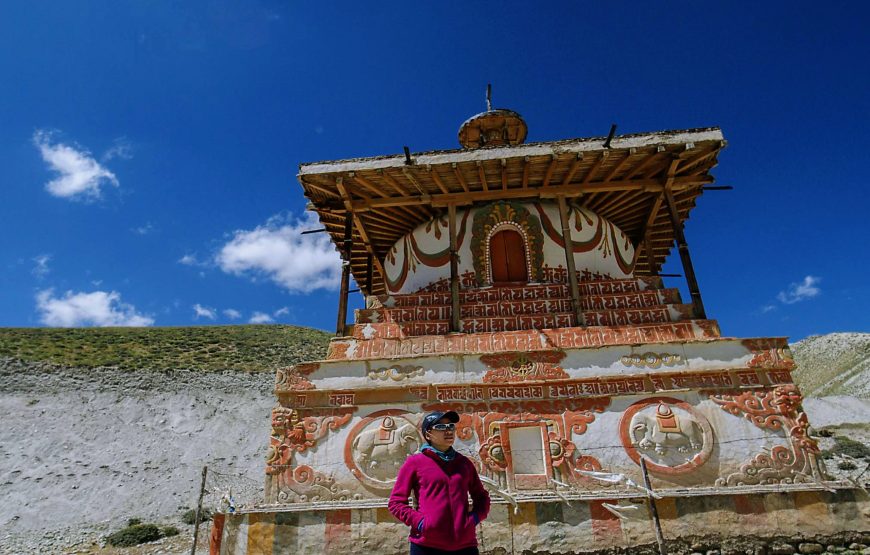
The Upper Mustang Trek provides an exclusive opportunity to explore Lo’s forbidden kingdom while experiencing Himalayan landscapes and Tibetan traditions and arid desert environments. The trek begins in Kathmandu before moving to the tranquil lakeside settlement of Pokhara and then continues to Jomsom which serves as the entrance to Mustang. The trail continues through Kagbeni and Chele and Syangboche villages before crossing mountain passes and following the Kali Gandaki River valley through windswept terrain. Each day reveals a fresh perspective of Mustang’s unique nature through its red rock formations and hidden caves and stone-built settlements that blend into the dramatic high-altitude desert landscape.
Lo Manthang stands as the walled capital of the former Kingdom of Mustang which serves as the cultural highlight of this adventure. The area contains royal palaces and century-old monasteries as well as remote cave dwellings that are carved into cliff faces. The return journey passes through Dhakmar and Ghar Gompa while providing spectacular views of Nilgiri and Dhaulagiri and other Himalayan peaks. Upper Mustang Trek provides an authentic Nepalese trekking experience because of its restricted access and preserved Tibetan Buddhist traditions which keeps tourists away from commercial areas and deep within the mystical highlands.
The Aau Nepal Expo tourism campaign promotes this trek to display Nepal’s secret attractions including Upper Mustang which unites cultural heritage with adventurous experiences near the Tibetan plateau border. Our company Aau Nepal Expo operates this package exclusively as a government-registered trekking agency which focuses on responsible travel. Our team at Aau Nepal Expo takes care of all aspects of your Upper Mustang journey including permits and transportation and safety and accommodation to create an unforgettable and purposeful experience.
Best Time to Do the Upper Mustang Trek
The best time for Upper Mustang trekking occurs between spring months (March to May) and autumn months (September to November). Spring weather provides clear skies and gentle temperatures while the lower trails display blooming alpine flowers. The dry climate and stable weather conditions provide trekkers with unobstructed mountain views because there is no snow or rain to interfere with their sight. The Tiji Festival which is a major Buddhist celebration in Lo Manthang takes place during May thus attracting both locals and trekkers to observe the colorful rituals and masked dances.
The autumn season provides identical advantages because it brings cool temperatures together with clear skies and outstanding Himalayan Mountain visibility. The trekking conditions become ideal after the monsoon season ends because the landscapes appear fresh while providing perfect conditions for those who want adventure and cultural immersion. The daytime temperatures remain pleasant while nighttime temperatures remain comfortable even at elevated elevations. The trek remains accessible throughout the monsoon season (June to August) because this region exists in a rain shadow area even though other Nepalese treks become impossible during that time. The high passes of winter (December to February) experience severe cold temperatures and snowfall which makes the area less accessible to most trekkers because of extreme weather conditions and minimal lodging options.
The selection of proper seasons allows you to experience Mustang’s breathtaking landscapes together with its cultural depth and secure trekking environment. The peak seasons of spring and autumn provide the best time to visit Lo because you can witness the Tiji Festival in spring or enjoy the peaceful autumn mountains.
Comfort & Safety Overview for the Upper Mustang TrekThe Upper Mustang Trek presents a moderately difficult journey which provides safe and comfortable trekking possibilities through its remote Himalayan terrain when properly supported. The trek route stays below the extreme heights of other high Himalayan trails since its highest elevation reaches 4,200 meters which minimizes severe altitude sickness risks. The body requires proper acclimatization so our itinerary includes controlled daily height increases to let the body adapt. Trekkers can find comfortable lodging with clean facilities and nutritious meals at teahouses in Kagbeni, Ghami and Lo Manthang villages during their rest after daily hiking.
The Upper Mustang region remains dry throughout the year because it stands in the rain shadow of Annapurna and Dhaulagiri mountain ranges. The dry climate of the region provides a safe trekking experience throughout the year because it minimizes trail disruptions from rain and landslides making it an ideal destination during monsoon season when other Nepalese routes become dangerous. The trekking guides possess first aid and altitude awareness training while carrying essential equipment including oximeters and communication devices. Mule support is also available if needed. Our organization maintains group safety and comfort standards by letting each guest walk at their own pace while providing regular breaks for hydration and snacks and rest.
The team at Aau Nepal Expo takes care of all required permits including ACAP and Restricted Area Permit. We provide guidance and support for travel insurance preparation and emergency planning and gear checklist development before starting the trek. Our support team tracks weather conditions and trail status and client health throughout the journey to provide a secure and well-organized comfortable experience for Upper Mustang adventure seekers.
Your journey begins with a scenic drive from Kathmandu to Pokhara, a beautiful lakeside city and the gateway to the Annapurna and Mustang regions. The 6–8 hour drive offers a glimpse of Nepal’s rural beauty—terraced fields, rivers, and small towns along the Prithvi Highway. Upon arrival in Pokhara, you can relax by Phewa Lake, enjoy views of the Annapurna range, and prepare for the adventure ahead.
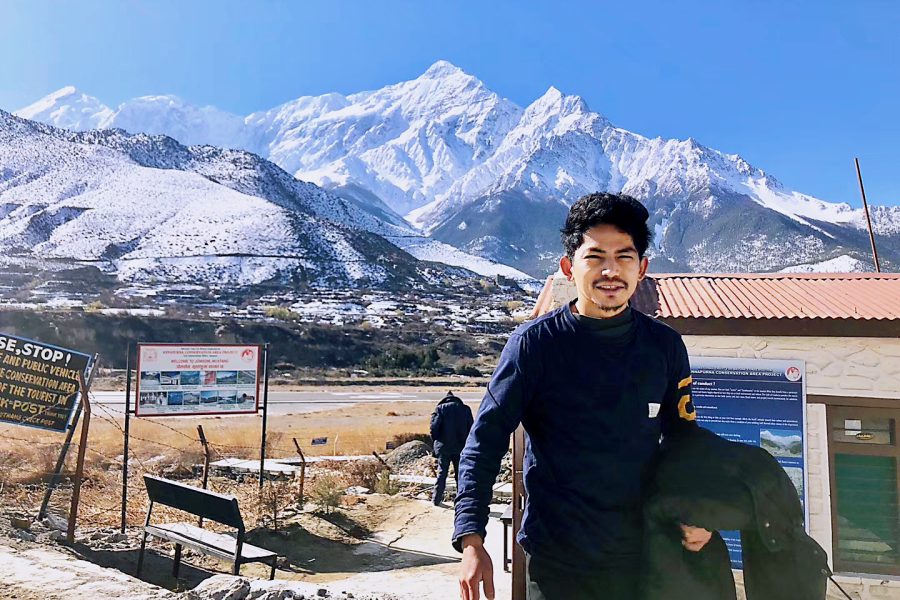
Today starts with a short yet spectacular flight to Jomsom, the administrative center of Mustang. The flight provides stunning aerial views of the Kali Gandaki Gorge and the surrounding Himalayan peaks. After landing in Jomsom (2,720m), you begin your trek along the dry, windy riverbed of the Kali Gandaki to Kagbeni (2,810m), a medieval village marking the official entry point into Upper Mustang.
After getting your permits checked at Kagbeni, the trek heads north, entering the restricted area of Upper Mustang. The trail follows the Kali Gandaki River through dramatic canyons and windswept cliffs. You’ll pass traditional villages and monasteries before reaching Chele (3,050m), a small settlement nestled into the rugged landscape, signaling the beginning of the more remote section of the trek.
Leaving Chele, you ascend steeply over rocky ridges and cross several high passes, including Taklam La and Dajori La. The trail offers spectacular views of the Nilgiri and Tilicho peaks. As you walk through barren yet colorful terrain dotted with ancient caves and chortens, you'll reach Syangmoche (3,800m), a quiet village surrounded by dry hills and dramatic scenery.
Today’s trek leads you through one of the most dramatic sections of the journey. You’ll cross the Nyi La Pass (3,950m), offering panoramic views of Mustang’s desert-like landscape. The trail then descends through expansive plateaus and passes several mani walls before arriving in Ghami (3,520m), a picturesque village surrounded by fields and one of the longest mani walls in Nepal.
From Ghami, the trail continues through dusty trails and rolling hills, passing cliffs carved with mysterious caves. After crossing the Tangmar River and a series of ancient walls, you reach Charang (3,560m), a village known for its whitewashed houses and a large red gompa (monastery) rich in history, art, and cultural significance.
A highlight of the trek, today you journey to Lo Manthang (3,840m), the ancient walled capital of Upper Mustang. The path leads past prayer wheels, Tibetan-influenced villages, and monasteries before arriving at the gateway to this historic city. Lo Manthang is a fascinating maze of narrow alleys, royal palaces, and centuries-old monasteries, offering a truly immersive experience into Mustang’s spiritual and cultural life.
After a restful night in Lo Manthang, you’ll take an exciting side trip to Chhoser Cave, located a few hours north. The area is home to centuries-old sky caves carved high into vertical cliff faces, believed to be ancient burial and meditation chambers. Along the way, you can explore remote monasteries and isolated communities that reflect a preserved Tibetan way of life.
Leaving Lo Manthang, the route follows a less-traveled trail over the Chogo La Pass (4,280m)—the highest point of the trek. The descent leads through alpine meadows and dramatic red cliffs until you reach Dhakmar (3,820m), a striking village known for its vivid red rock walls and mythological significance in Mustang folklore.
Today’s journey retraces parts of the earlier route but takes a slightly different path, offering new perspectives of the rugged Mustang terrain. Passing through hidden valleys, mani walls, and quiet fields, you arrive at Ghiling (3,570m), a tranquil village where you can witness traditional lifestyles and enjoy distant mountain views.
As you descend further, the trail takes you through familiar terrain with panoramic views, dry plateaus, and occasional encounters with herds of mountain goats or yaks. You pass through several settlements before arriving at Chuksang (2,980m), where the changing landscape signals your gradual exit from the Upper Mustang region.
Your final trekking day takes you back to Jomsom, retracing your steps along the Kali Gandaki River. The trail is mostly flat and easy, allowing time for reflection and photo opportunities of the surrounding cliffs and caves. Once in Jomsom, you can celebrate the completion of the trek with your team and enjoy the comforts of this small town.
After an early breakfast, you take a scenic flight from Jomsom back to Pokhara. The short journey once again offers fantastic views of the Annapurna and Dhaulagiri ranges. Upon arrival, enjoy a relaxing day in Pokhara—whether it’s a massage, a lakeside meal, or exploring local attractions like Devi’s Fall or the Peace Pagoda.
Your adventure concludes with a drive back to Kathmandu through the scenic foothills of central Nepal. The journey offers a final glimpse of the diverse landscapes you’ve explored over the past two weeks. Once in Kathmandu, you can enjoy a farewell dinner, shop for souvenirs, or simply rest after a memorable Upper Mustang expedition.
A: Yes, Upper Mustang is a restricted area requiring both the Annapurna Conservation Area Permit (ACAP) and a Special Restricted Area Permit, which must be obtained before the trek.
A: The best seasons are spring (March to May) and autumn (September to November) when weather is stable, and skies are clear for spectacular views.
A: The trek is moderate in difficulty, involving high altitudes up to around 4,000 meters, with mostly dry and rocky trails suitable for trekkers with good fitness.
A: Porters typically carry up to 15 kg of personal baggage per trekker.
A: No, trekking in Upper Mustang requires traveling with a registered guide and permits, so independent trekking is not allowed.
A: Accommodation consists of lodge-to-lodge stays in twin-sharing rooms with basic but clean facilities, including full-board meals.
A: Mobile network coverage is available in some villages, but internet access is limited and often unreliable during the trek.
A: Medical facilities are very limited; it is essential to carry a personal first-aid kit and have travel insurance covering emergency evacuation.
A: Essential items include layered clothing for cold and dry conditions, sturdy trekking boots, sun protection, a sleeping bag, and personal medications.
A: Yes, tipping guides, porters, and drivers is customary and appreciated for their hard work and service.



Leave a review