from 0 review
22 Days 21 Nights
Daily Tour
1 person
Chinese, English
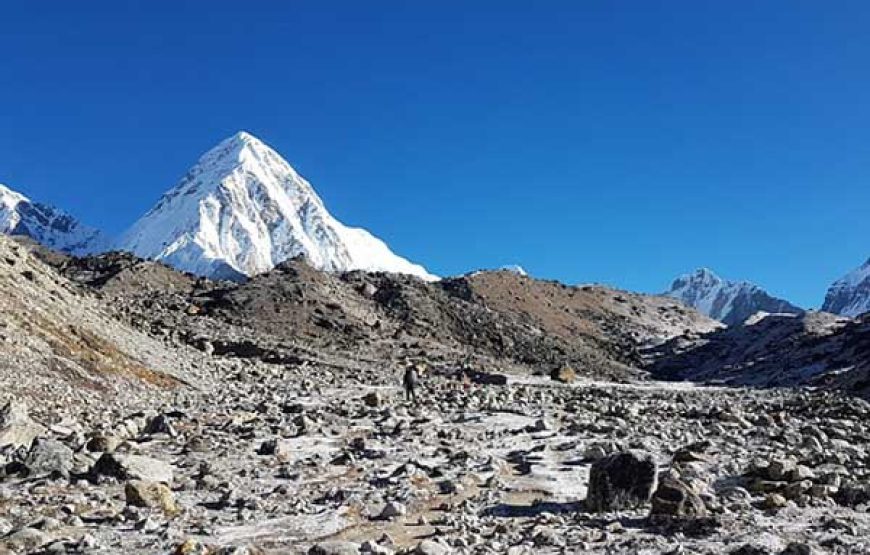
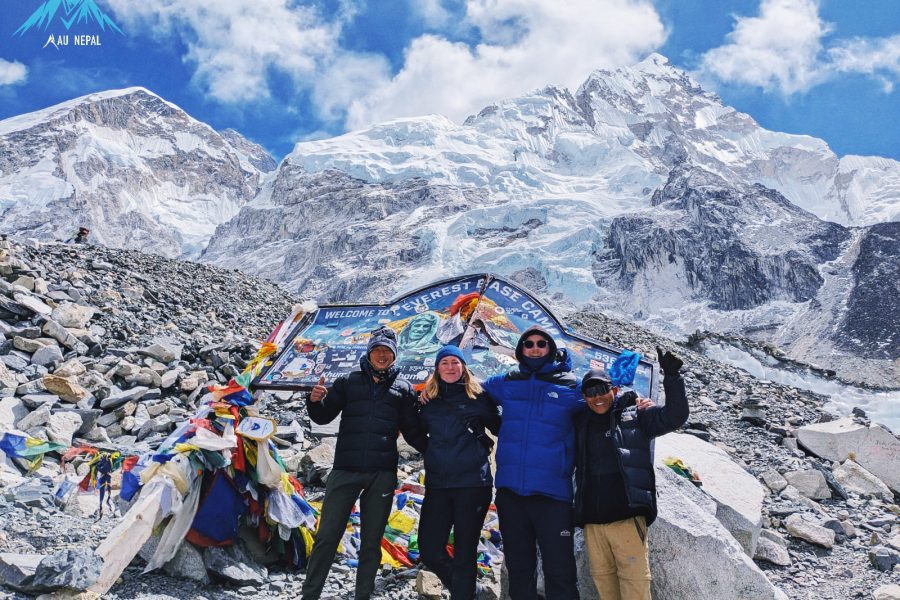
The Everest High Passes Trek – 22 Days stands as one of the most exciting and daring Himalayan trekking routes. This trek provides an ideal choice for those who want to tackle a demanding path that reveals authentic Himalayan landscapes and untouched regions and traditional cultural experiences. The trek starts with a Lukla flight that leads through Namche and Tengboche and Dingboche villages before reaching Everest Base Camp and Kala Patthar for breathtaking views of Everest and its neighboring peaks. Throughout the trekking route trekkers can visit Buddhist monasteries and explore alpine valleys and glacial rivers while spending time for acclimatization at Namche and Dingboche.
The trek stands out because it includes three significant high passes at Kongma La (5,535m), Cho La (5,420m) and Renjo La (5,360m). The exciting mountain climbs lead to breathtaking views of Everest together with Lhotse and Makalu and Cho Oyu and numerous other peaks that extend across the entire horizon. After reaching Everest Base Camp and climbing Kala Patthar trekkers proceed to the turquoise Gokyo Lakes and then climb Gokyo Ri for a complete 360-degree panorama. The challenging high pass crossings during this adventure provide trekkers with a genuine alpine experience that tests their physical and mental strength while offering breathtaking Himalayan scenery.
Aau Nepal Expo operates this unforgettable journey from their base in Nepal as a trusted travel and trekking company. Aau Nepal Expo delivers personalized service with safety protocols and cultural connection through experienced guides and well-planned acclimatization and quality accommodations and full support throughout the entire trek. The company handles all logistics requirements by arranging domestic flights and permits and supplying local SIM cards for communication. The company organizes a farewell dinner in Kathmandu to honor trekkers’ Himalayan achievements while they share their mountain stories.
Best Time to do in the Everest High Passes Trek – 22 Days
The Everest High Passes Trek – 22 Days reaches its peak during the pre-monsoon (spring) season from (March to May) and the post-monsoon (autumn) season from (mid-September to November). The months of spring and autumn provide the most reliable weather conditions together with clear skies which allow perfect visibility of the Himalayan peaks. The daytime temperatures are suitable for trekking while the high passes remain snow-free thus becoming safer and more accessible for crossing.
During spring (March to May) the trail transforms into a colourful display of rhododendrons and alpine flowers in bloom. The extended daylight and increasing temperatures create perfect trekking conditions when traversing the high passes including Kongma La, Cho La and Renjo La. The Base Camp area becomes more active during this time because many mountaineers use it as their starting point for Everest summit expeditions.
The autumn season from (Mid-September to November) provides excellent conditions because the weather remains dry and stable after the summer monsoon. The atmosphere remains fresh while the mountains display their clear visibility. The trails maintain dry conditions while landslides and snowfall become less probable. The autumn season attracts trekkers because it brings a festive mood to the trails while major Nepali festivals like Dashain and Tihar take place during this time.
Comfort and Safety during the Everest High Passes Trek
The Everest High Passes Trek requires both comfort and safety as its fundamental priorities. The trek includes planned rest days for your body to adapt to high altitude conditions which decreases your chances of developing altitude sickness. Your accommodation during the trek consists mainly of comfortable teahouses and lodges that provide warm rooms along with hot showers (if available) and nutritious meals to maintain your energy levels. The established trail guides you with experienced guides who track your health status and control your pace
The trek includes complete safety briefings both before and during the journey along with regular pulse oximeter checks for altitude monitoring and preparedness for emergency situations such as altitude sickness or injuries. The guides possess first aid training and bring essential medical equipment for emergencies. The high elevation weather requires proper clothing and equipment because conditions can shift suddenly. The trek route follows a planned schedule which avoids excessive physical strain to allow trekkers to experience the adventure without taking avoidable risks.
Aau Nepal Expo provides detailed management of all aspects that affect your comfort and safety. The team of certified guides and porters at Aau Nepal Expo possess High-altitude trekking experience and provide individualized care to all their clients during the entire journey. Aau Nepal Expo delivers both comfort and safety during your Everest High Passes Trek by providing dependable accommodations and maintaining open communication and logistical backing.


Leave a review