from 0 review
16 days 15 nights
Daily Tour
25 people
Chinese, English
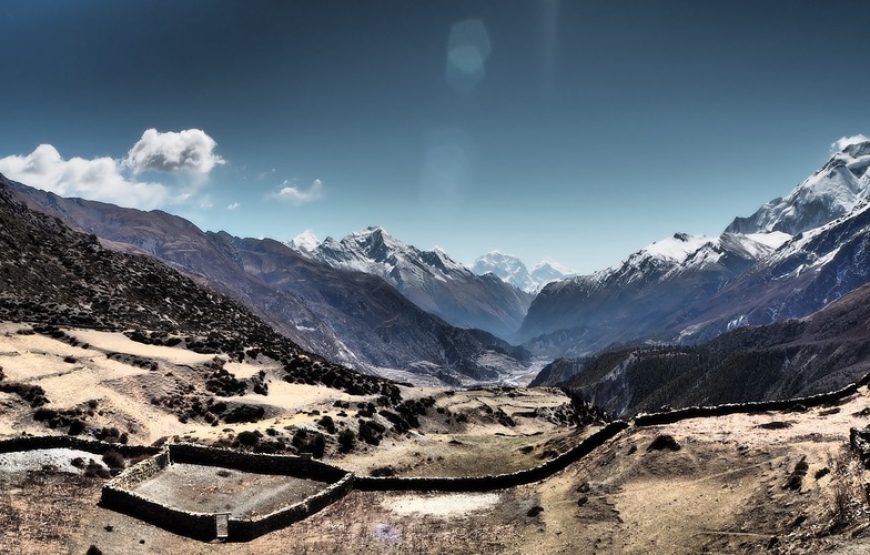
The Annapurna Circuit Trek leads trekkers through the Annapurna Massif while providing them with a perfect mix of natural landscapes and cultural experiences and physical obstacles. The trek begins at Bhulbhule or Besisahar’s lower elevations before passing through subtropical forests and traditional villages and terraced farmlands. The Marsyangdi River Valley ascent reveals both cultural and geographical changes which take trekkers from Hindu-influenced lowlands to Tibetan Buddhist communities in the high-altitude region of Manang. The trek reaches its peak when trekkers cross Thorong La Pass at 5,416 meters which offers spectacular views of Annapurna I and Dhaulagiri and Gangapurna and additional mountains. The path leads down to Muktinath after crossing the pass then continues through the Kali Gandaki Gorge before reaching Tatopani and ending at Pokhara.
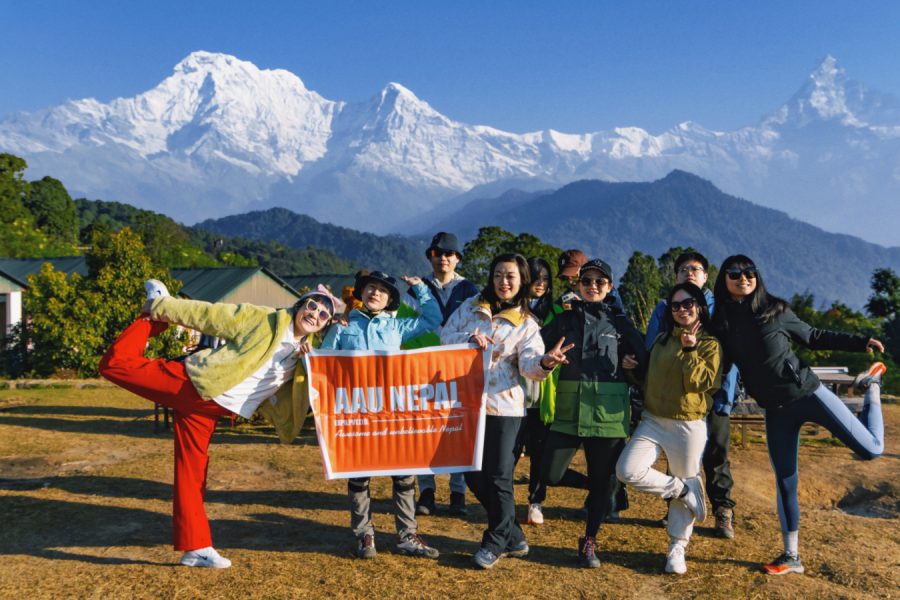
The Aau Nepal Expo presents this famous trek as a fully organized Himalayan experience. The Expo delivers essential information for travellers which includes route planning and safety precautions and altitude guidelines and cultural etiquette. Aau Nepal Expo provides expert-led trekking packages with quality teahouse accommodations and responsible porters and guides who maintain your safety and comfort throughout the journey. The Expo offers visitors special discounts and group travel opportunities as well as personalized pre-trek consultations based on fitness levels and personal interests. Aau Nepal presents its Annapurna Circuit experience as a cultural immersion that combines visits to ancient monasteries with interactions with local communities and the exploration of Nepal’s diverse landscapes and traditions. Aau Nepal Expo provides expert support and personalized service to create a once-in-a-lifetime memory for solo adventurers and group members during this journey.
Best Time to Do the Annapurna Circuit Trek
Other seasons pose challenges:
Comfort and Safety During the Annapurna Circuit Trek
The Annapurna Circuit Trek in Nepal provides both safe and comfortable accommodations to travelers despite its distant location. The trail provides many teahouses and lodges which offer clean rooms and warm blankets and hot meals and Wi-Fi and hot showers and charging facilities (for a small fee).
The trek features:
Most agencies employ guides who possess first aid training and expertise in altitude emergencies. The need for helicopter evacuation in severe cases makes high-altitude travel insurance mandatory.
The unpredictable weather requires both suitable equipment and adaptable scheduling. The Annapurna Circuit provides a secure and comfortable journey which also delivers an enriching experience when travelers prepare correctly.
| # | Discount group | From adult | To adult | Value |
|---|
Upon arrival at Tribhuvan International Airport in Kathmandu, you will be welcomed by a representative and transferred to your hotel. The rest of the day is free for you to rest or explore the bustling capital city, filled with historic temples, lively streets, and cultural richness. A trek briefing is often conducted in the evening, where you’ll meet your guide, finalize documents, and prepare for the journey ahead.
After breakfast, you’ll set off on a scenic drive westward from Kathmandu to Bhulbhule, the trek's starting point. The journey, lasting about 7–8 hours, offers views of terraced fields, local villages, and flowing rivers. Once at Bhulbhule, you'll begin a short introductory walk, officially marking the start of the Annapurna Circuit. Overnight at a local teahouse.
Today’s trek leads through lush forests, rice paddies, and traditional Gurung and Magar villages. You'll follow the Marsyangdi River and cross several suspension bridges along the way. The trail gently ascends through subtropical terrain to reach Jagat, a charming stone-built village that serves as a check post for permits and a resting place for trekkers.
The trail continues through rocky landscapes and winding paths, passing through Chamje and following the river valley. A series of uphill and downhill sections brings you through dense forests and across suspension bridges before reaching Tal, the first village in the Manang District. From here, the trail ascends gradually to Dharapani, one of the larger settlements on the route.
As you ascend further into the highlands, the landscape changes to alpine forest with pine and fir trees. You’ll pass through beautiful villages like Bagarchhap and Danaque before reaching Timang, which offers the first close-up view of Mt. Manaslu. The trail then continues to Chame, the district headquarters of Manang, where you'll enjoy views of Annapurna II and local hot springs.
Today’s route follows the narrow Marsyangdi gorge with dramatic rock formations and offers spectacular mountain vistas. You’ll cross long suspension bridges and pass apple orchards before arriving in the village of Pisang. The changing landscape reflects the transition from lush greenery to dry, alpine terrain. Pisang provides stunning views of Annapurna II and IV.
A rest day in Pisang is essential for acclimatization. You can take a short hike to the Upper Pisang village or visit the ancient Pisang Monastery, which offers panoramic views of the surrounding peaks. The rest helps your body adjust to the increasing altitude, ensuring a safer trek in the days ahead.
The trek continues through dry terrain, with a choice between the lower route via Hongde and the more scenic, slightly longer upper route via Ghyaru and Ngawal. The upper trail offers amazing mountain panoramas and insight into traditional Tibetan culture. After several hours of trekking, you reach the Himalayan town of Manang, a hub for trekkers with bakeries, gear shops, and stunning views.
Another rest and acclimatization day in Manang gives you time to explore the area and hike to nearby spots like Gangapurna Lake or the Ice Lake viewpoint. The village also has a Himalayan Rescue Association center offering altitude awareness talks. This pause helps your body prepare for the steep ascent to come.
Leaving the tree line behind, you begin a steady climb through alpine meadows and yak pastures. The trail passes through the village of Gunsang before reaching Yak Kharka, a quiet spot known for grazing animals and panoramic views. The altitude gain is gradual, which aids further acclimatization.
Today’s trek leads to Thorong Phedi, the last settlement before crossing the high pass. You’ll walk through rugged terrain and cross a suspension bridge over the Jorsang Khola. Thorong Phedi is a small collection of lodges at the foot of the Thorong La Pass, where you’ll rest and prepare for the next day’s challenging ascent.
This is the most demanding but rewarding day of the trek. You’ll start early to cross Thorong La Pass (5,416m), the highest point of the trek. The climb is slow and steady due to thin air but offers breathtaking views of snow-covered peaks. After reaching the top, you descend steeply to Muktinath, a sacred pilgrimage site for both Hindus and Buddhists.
After visiting the revered Muktinath Temple, known for its eternal flame and 108 holy taps, you begin your descent to Jomsom. The trail passes through the windy and arid Kali Gandaki Valley. Jomsom is a busy town with an airport, offering modern amenities and great views of Nilgiri and Dhaulagiri.
In the morning, you’ll take a scenic flight from Jomsom to Pokhara, flying over deep gorges and valleys with mountain views. Upon arrival in Pokhara, you can relax by the lakeside, enjoy the vibrant atmosphere, or explore the city’s attractions like Phewa Lake and Devi’s Falls.
After breakfast, you'll travel back to Kathmandu either by a short flight or a scenic 6–8 hour drive through the Trishuli River valley. Upon arrival, check into your hotel and enjoy your final evening in Nepal, perhaps with some souvenir shopping or a celebratory dinner.
Your trek concludes with a transfer to Tribhuvan International Airport for your departure flight. You’ll leave Nepal with unforgettable memories of the Annapurna Circuit’s landscapes, culture, and incredible Himalayan experience.
A: The trek typically takes around 15 to 17 days, including acclimatization days and travel to and from Kathmandu.
A: The best seasons are spring (March to May) and autumn (September to November) when the weather is clear and temperatures are moderate.
A: Moderate to good fitness is recommended due to the long daily walking hours and high altitude. Prior trekking experience is helpful but not mandatory.
A: While it’s possible to trek independently, hiring a guide and porter is recommended for safety, local knowledge, and to ease your load.
A: You need the Annapurna Conservation Area Permit (ACAP) and the Trekkers’ Information Management System (TIMS) card.
A: Thorong La Pass at 5,416m is the highest point of the trek and can be challenging due to altitude and weather; proper acclimatization and pacing are essential.
A: Accommodation mainly consists of basic teahouses and lodges offering twin-sharing rooms with simple facilities.
A: It is advised to drink only purified or boiled water to avoid waterborne illnesses.
A: Essential items include layered clothing, sturdy trekking boots, sleeping bag, water purification methods, sun protection, and a first aid kit.
A: Mobile coverage and internet access are available in major villages but can be intermittent or unavailable in remote sections


Leave a review